Microbial metal demand in the ocean
Oceanographic expedition AT50-10: CliOMZ cruise
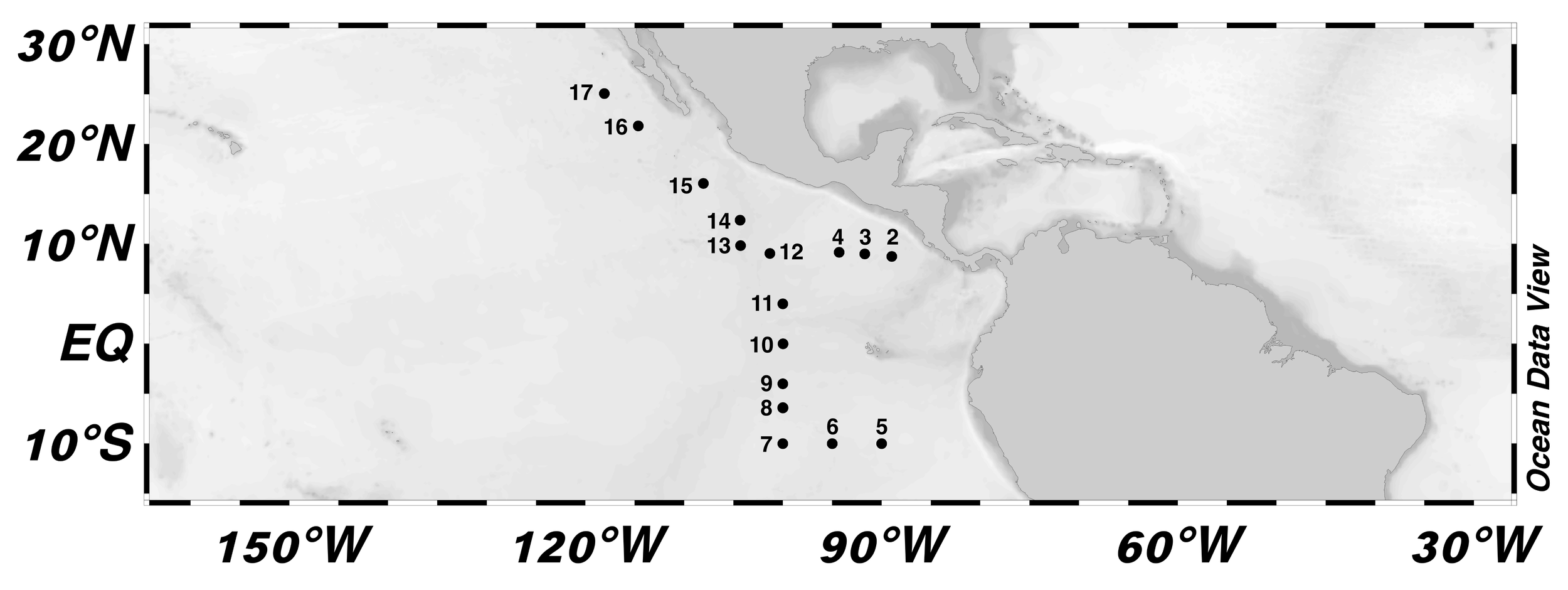
In May and June 2023, I participated in the oceanographic cruise AT50-10 (CliOMZ) to conduct a series of metal enrichment incubation experiments aimed at assessing the metal demand of microorganisms from the surface to the mesopelagic zones of the Eastern Tropical Pacific and their role in regulating the carbon and nitrogen cycles. We departed from Golfito, Costa Rica, and ended the cruise in San Diego, California, USA.
The diverse physicochemical conditions of the Eastern Tropical Pacific make it an ideal region to study the impact of microbial metal demand on the major nutrient cycle in the ocean. This ocean is a high-nutrient, low-chlorophyll (HNLC) area, and our cruise route crossed one of the largest oxygen minimum zones (OMZs), as well as regions with distinctly low dissolved iron concentrations at the surface.
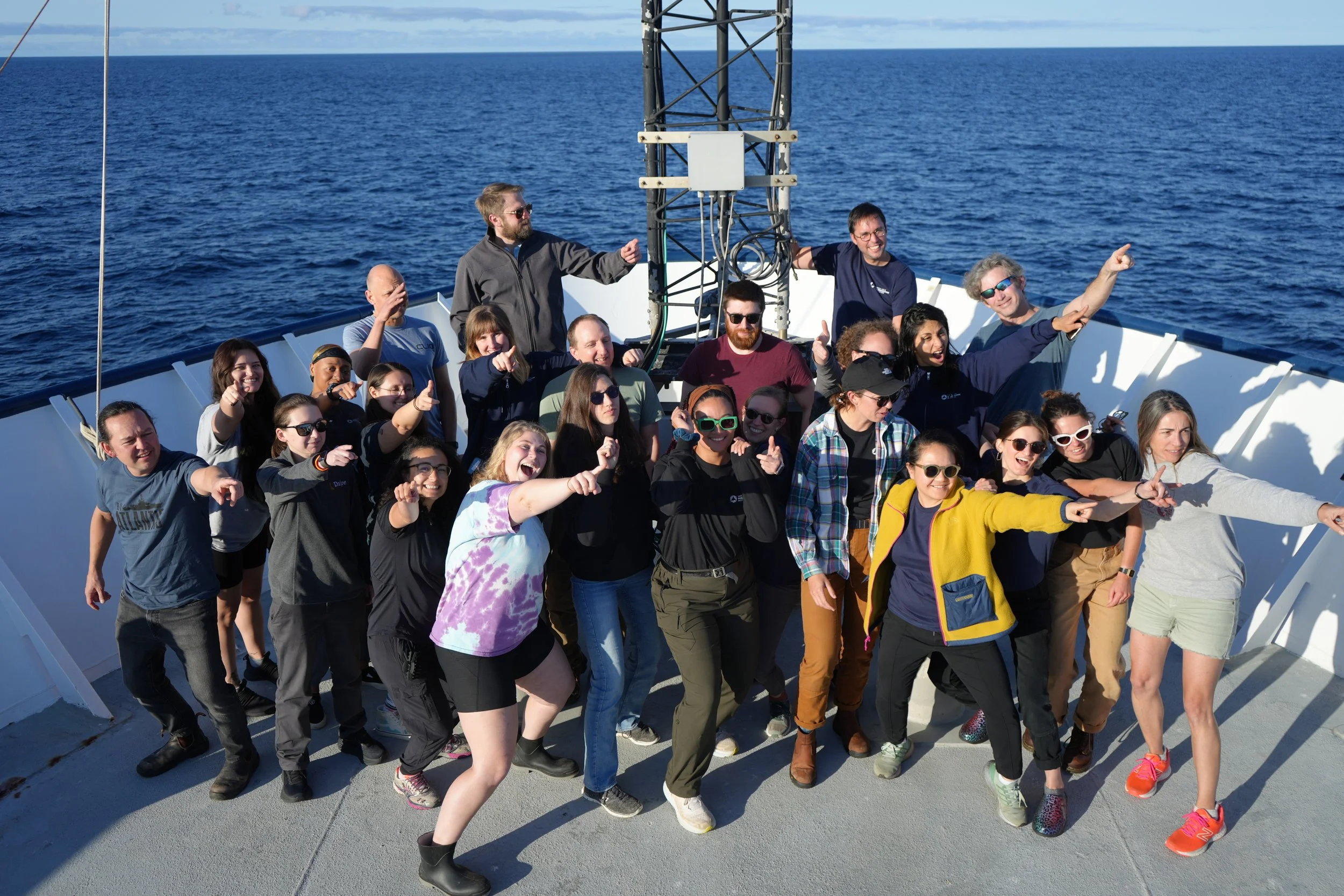
With the team of amazing scientists, we used various advanced oceanographic instruments to conduct one of the first high-resolution sampling campaign and a pilot cruise for the Biogeoscapes program.
Research projects
I am currently developing and applying techniques to quantify iron uptake in marine microorganisms using an isotopic tracer (Fe-57), coupled with LC–LC–MS and ICP-MS analyses to identify metals associated with enzymes and proteins. This cutting-edge approach enables the direct identification of iron uptake pathways across microbial taxa with spatial and temporal resolution.
Development of meta-metalloproteomics protocol
I conducted high-resolution incubation experiments using isotopic tracers (Cu-65 and Fe-57) to quantify metal demand by marine microorganisms from the surface to the mesopelagic across 17 stations in the Eastern Tropical Pacific Ocean. These measurements enabled direct estimates of microbial metal uptake rates and provided new constraints on how trace metal limitation regulates marine carbon and nitrogen cycling.
Using stable isotopes to determine metal demand by marine microbes in the Eastern Tropical Pacific
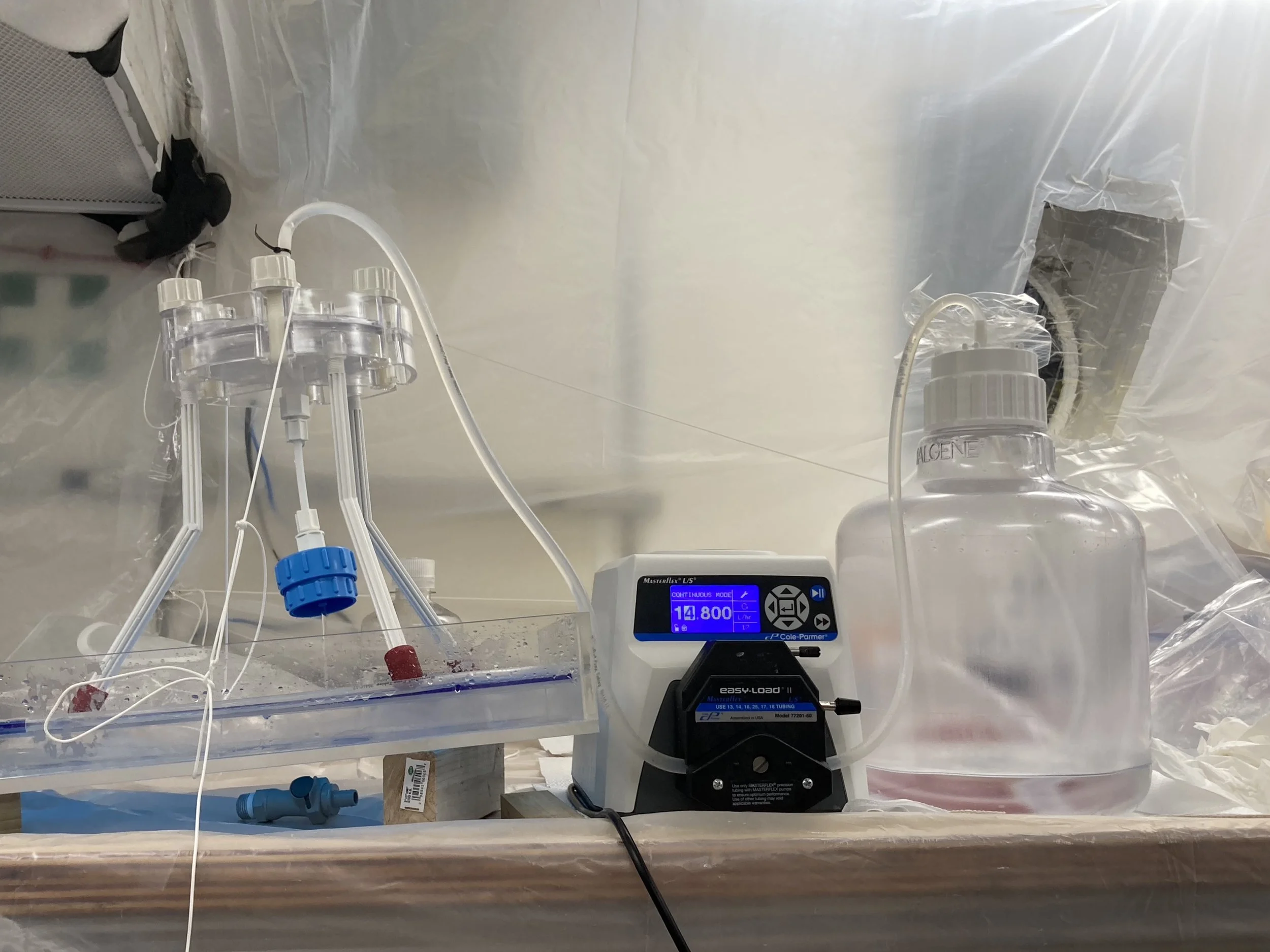
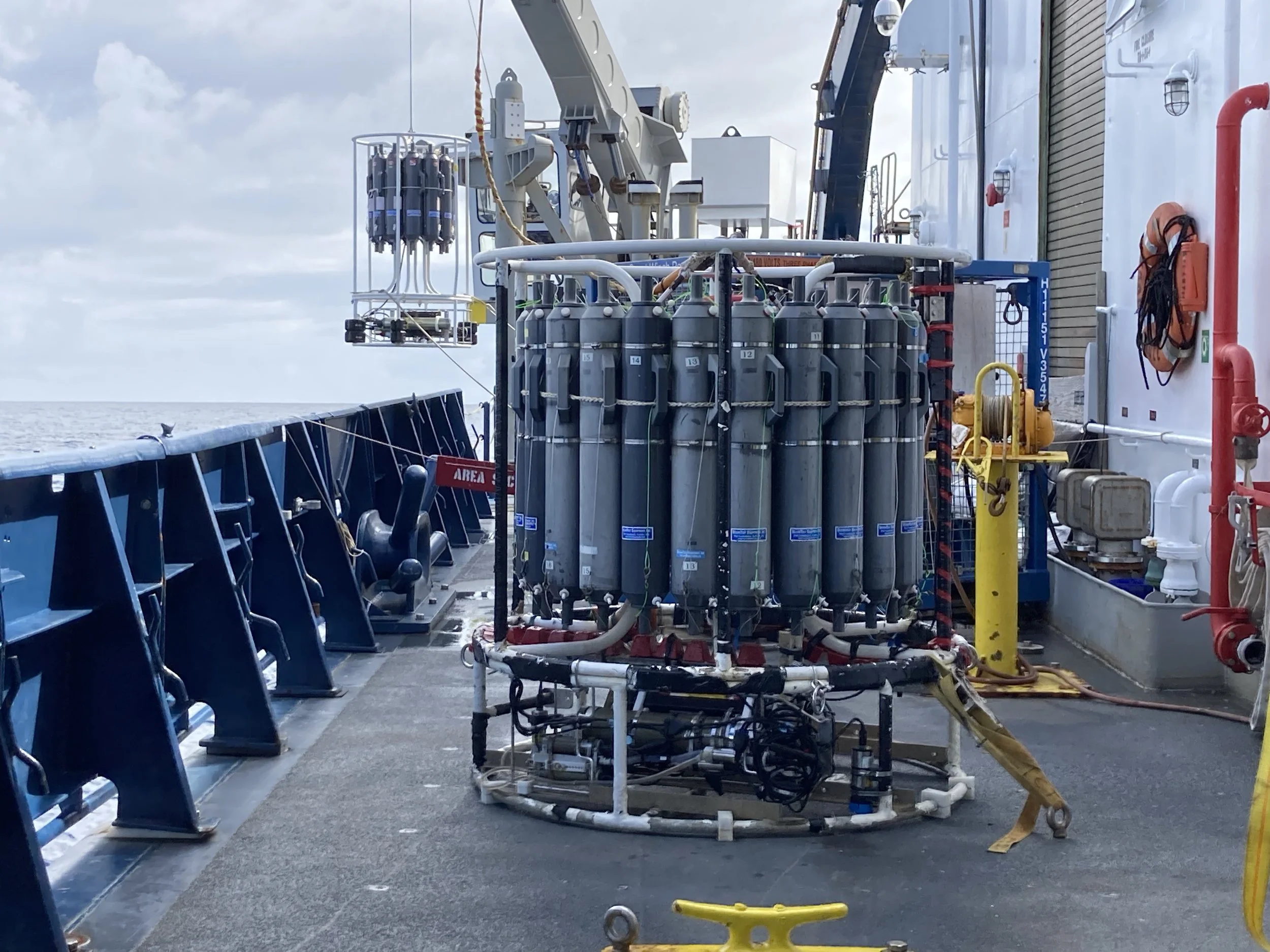
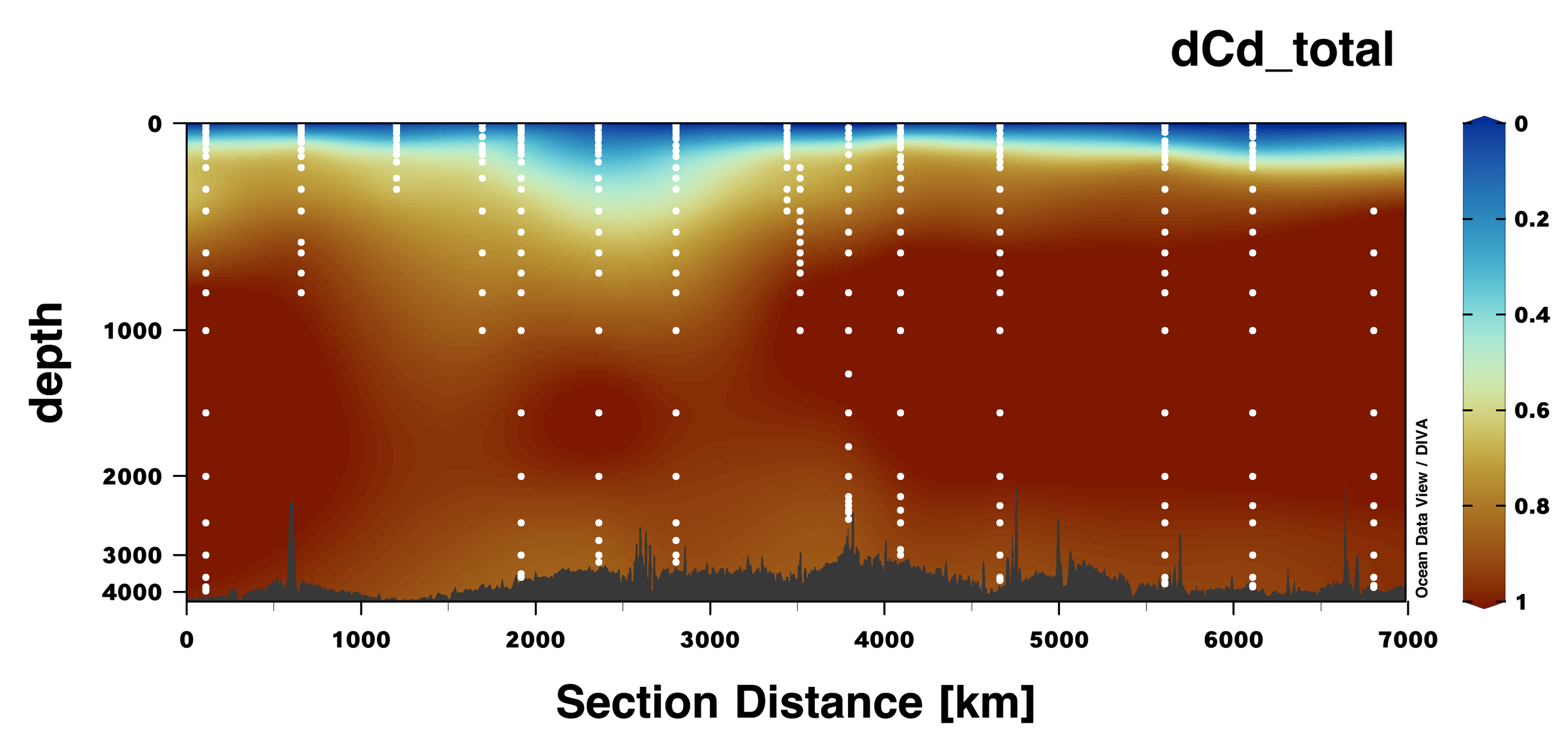
As part of a broader effort to quantify trace metal distributions and cycling in the Pacific Ocean, I participated in the CliOMZ cruise as a member of the Trace Metal Rosette (TMR) team, where I helped with the collection and analysis of filtered seawater for dissolved trace metals. I was responsible for measuring dissolved Cd, Cu, Fe, Ni, and Zn. Following sample acidification and six months of storage, I preconcentrated the samples using a SeaFAST system and quantified metal concentrations by inductively coupled plasma mass spectrometry (ICP-MS). Measurement accuracy and precision were validated using GEOTRACES reference standards (GSP), ensuring data quality and comparability. I am currently in the process of submitting these data to the GEOTRACES Intermediate Data Product (IDP), and in collaboration with colleagues, integrating the results with Optimum Multiparameter Analysis (OMPA) to prepare a manuscript on trace metal cycling in the Pacific Ocean.
Dissolved metal cycling in the Pacific ocean